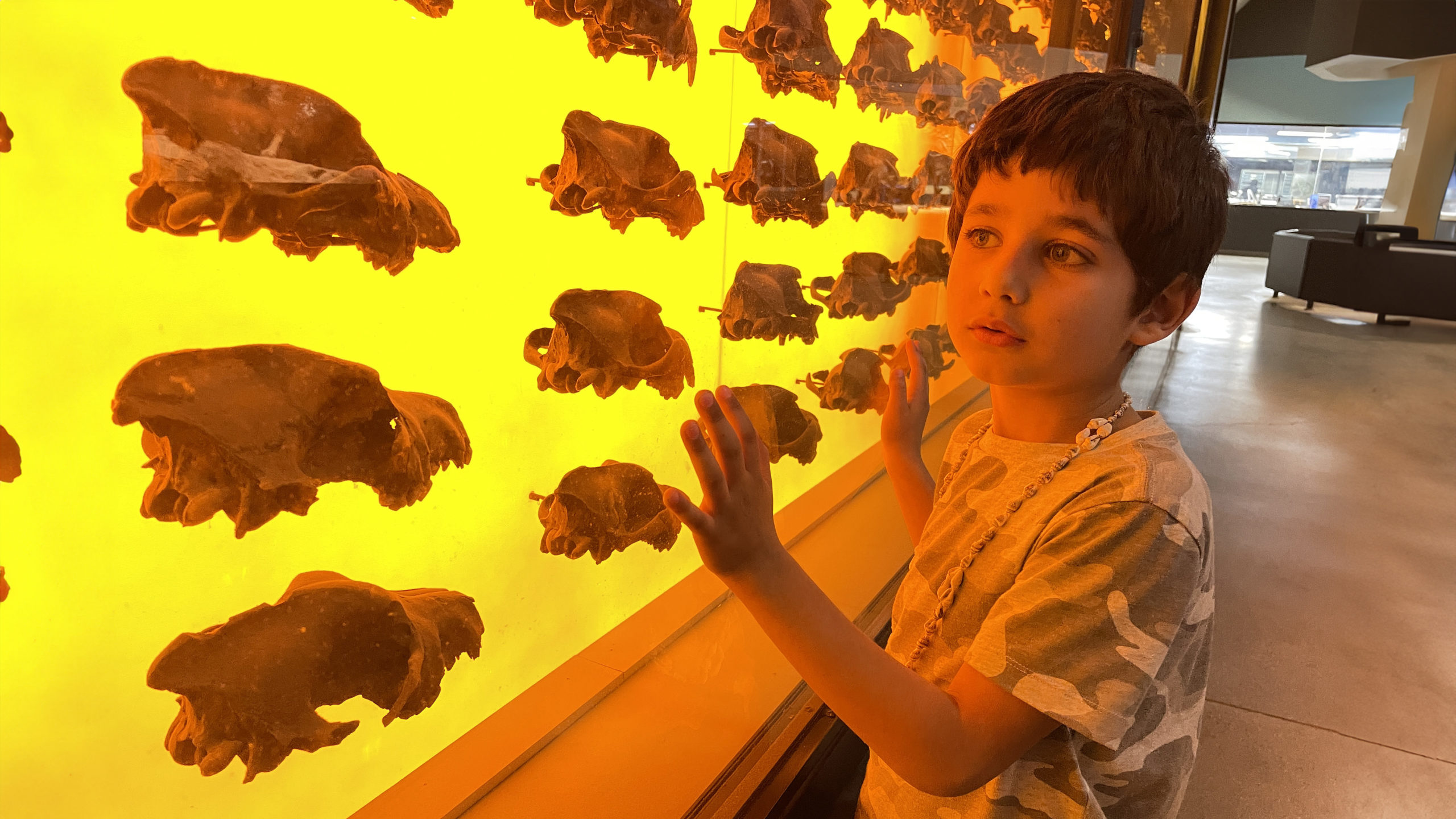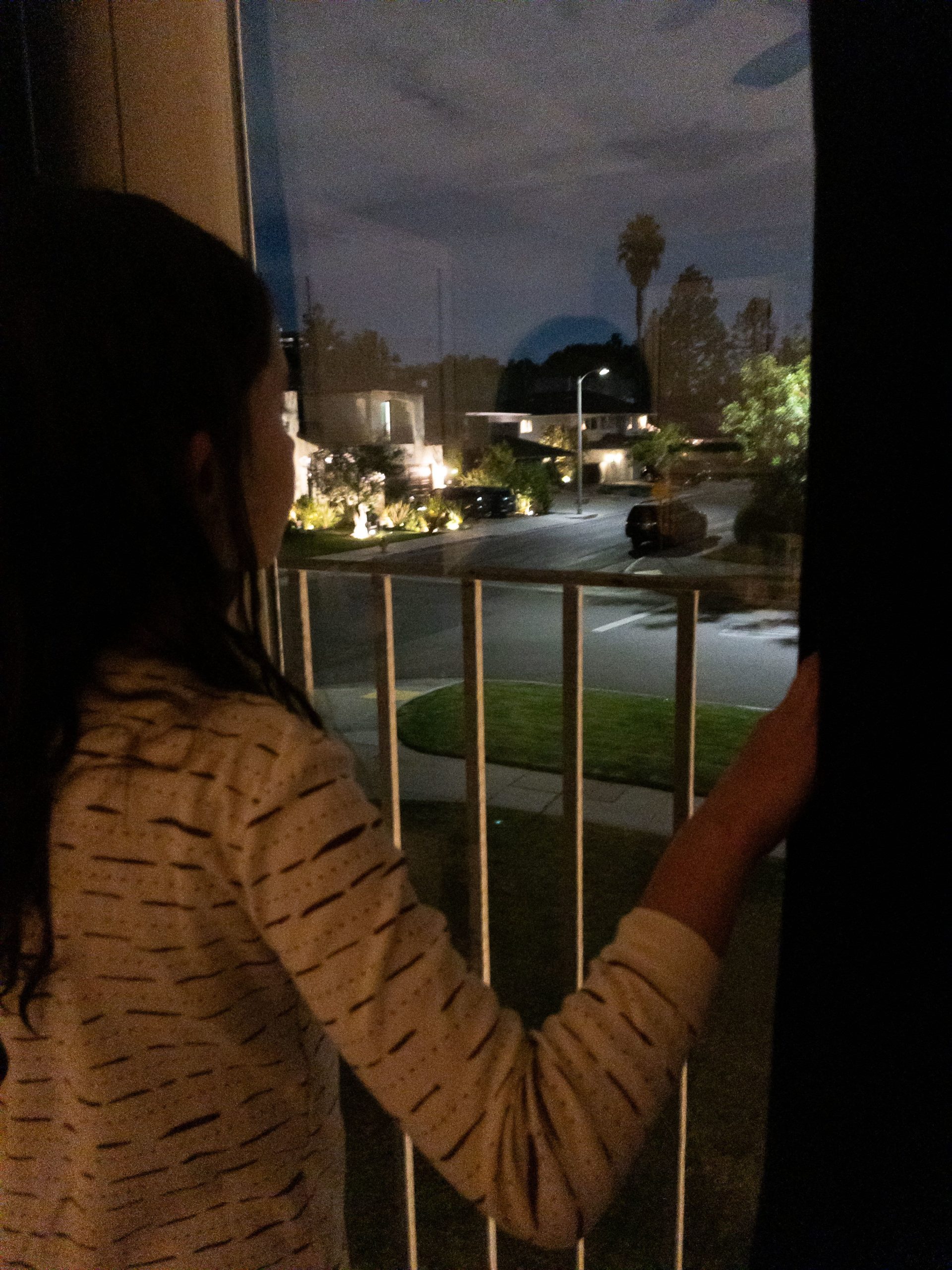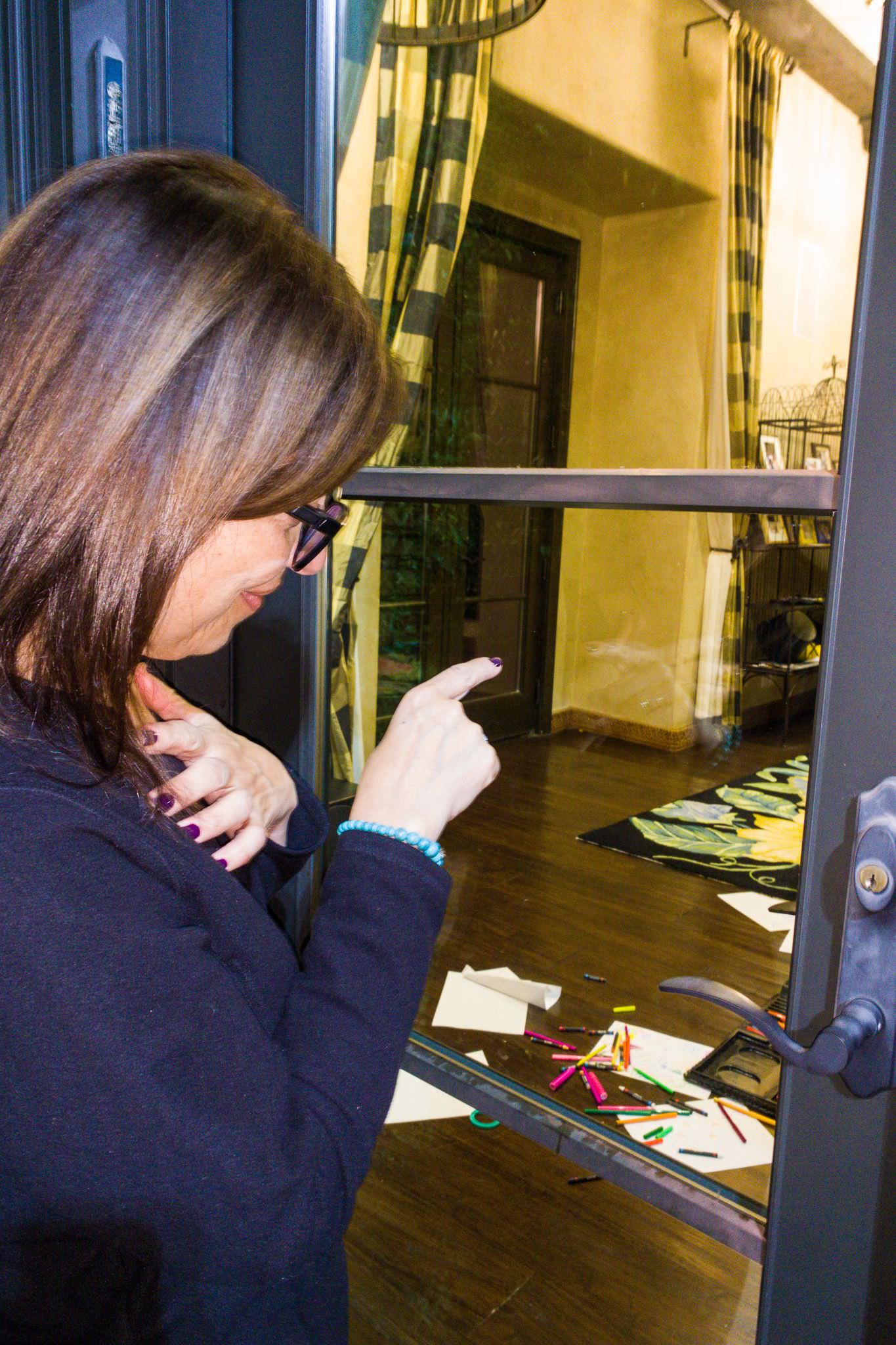
Prepare to elevate your photographic skills by focusing on storytelling, composition, precise timing, and the artful play with light, shadows, reflections, and other captivating visual elements.

1. Storytelling Composition:

  • Concentrate on creating compositions that narrate a story. Think beyond mere visuals and consider the emotions, connections, and tales your photo can convey.
  • Explore how the placement of objects and people within the frame can contribute to a more profound narrative.

2. Perfect Timing:

  • Develop a keen sense of timing to capture moments that encapsulate the essence of the scene. A well-timed shot can tell a story more eloquently than a thousand words.
  • Anticipate movements and interactions that unfold, ensuring you’re ready to immortalize them with your lens.

3. Play with Light and Shadows:

  • Experiment with the interplay of light and shadows to add depth and drama to your compositions.
  • Observe how the changing angles of sunlight or artificial light sources can enhance the mood and storytelling capacity of your photographs.

4. Reflections and Visual Elements:

  • Utilize reflections as a tool to augment the narrative. They can add layers of complexity and intrigue to your storytelling.
  • Pay attention to other captivating visual elements in the surroundings, such as textures, patterns, or contrasting colors, to enrich the visual story.

Tips for Successful Storytelling:

  • Research & Inspiration:
    • Explore “window shopping photography” on Google Images. Connect with a few images, understand their appeal, and let them inspire your unique vision.
  • Capture Emotion and Connection:
    • Aim to evoke emotion and capture the connection between the objects, people, and their surroundings.
    • Seek moments that resonate with the viewer on a deeper level.
  • Experiment with Perspectives:
    • Don’t shy away from experimenting with different perspectives. Explore angles that offer unique insights into the narrative.
  • Immerse Yourself in the Scene:
    • Immerse yourself in the environment, becoming an integral part of the story you aim to tell. The more you connect with your subject, the more authentic and compelling your storytelling becomes.

Your Lens, Your Story:

Remember, as a photographer, you are a visual storyteller. Use this assignment to weave narratives through your lens, focusing on the intricate details, emotions, and connections within the shop window scenes. Embrace the challenge of capturing the essence of a moment, transforming it into a story that speaks volumes. Happy storytelling and shooting!


P&V Students’ Work