A Brief History of Still Life

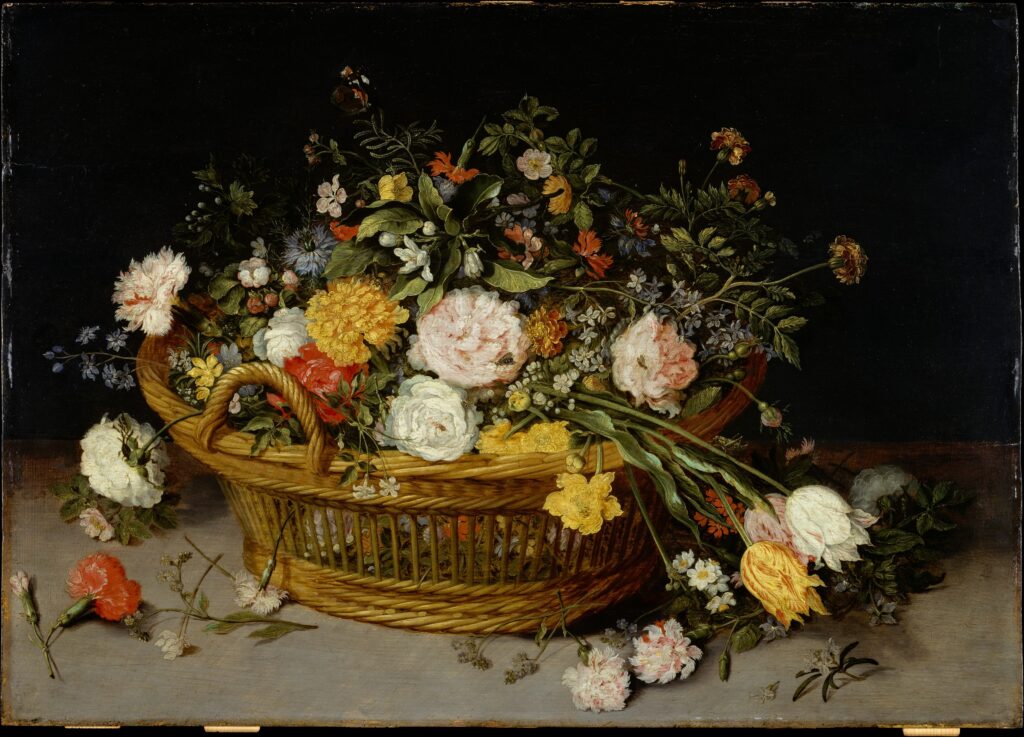
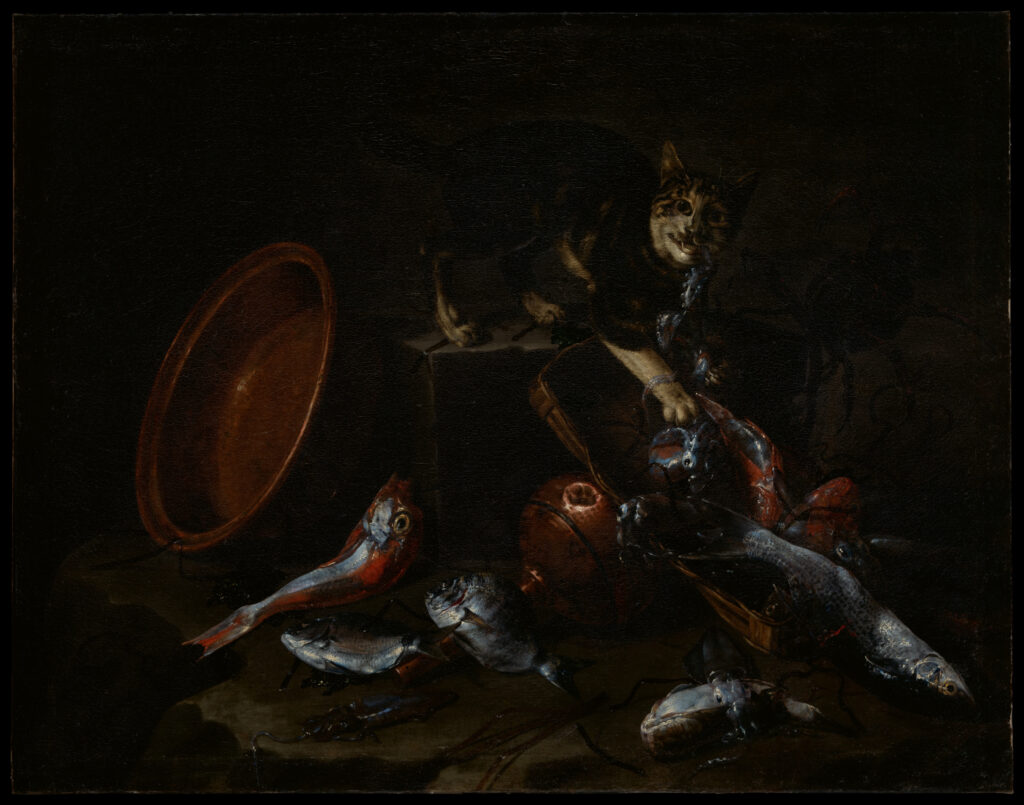
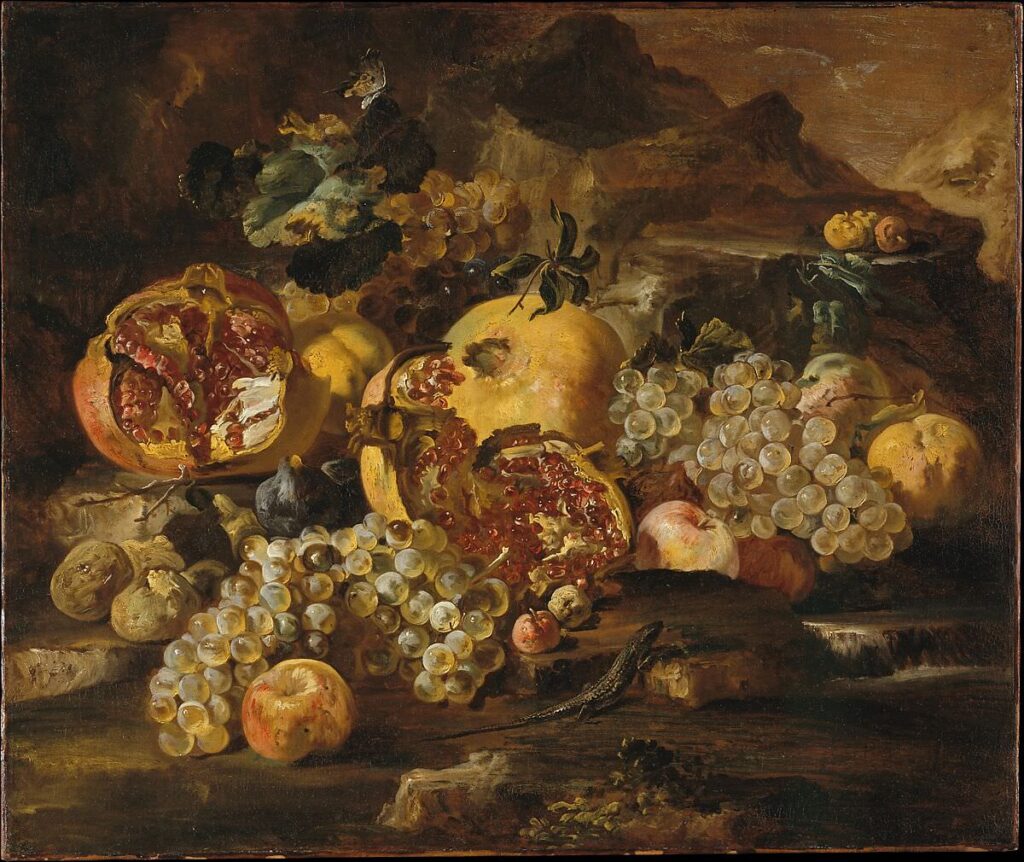
Still life is a type of art that focuses on capturing inanimate objects—things that don’t move—like fruit, flowers, books, or everyday household items. This art form dates back to ancient times, but it became especially popular in Europe during the 1600s and 1700s.

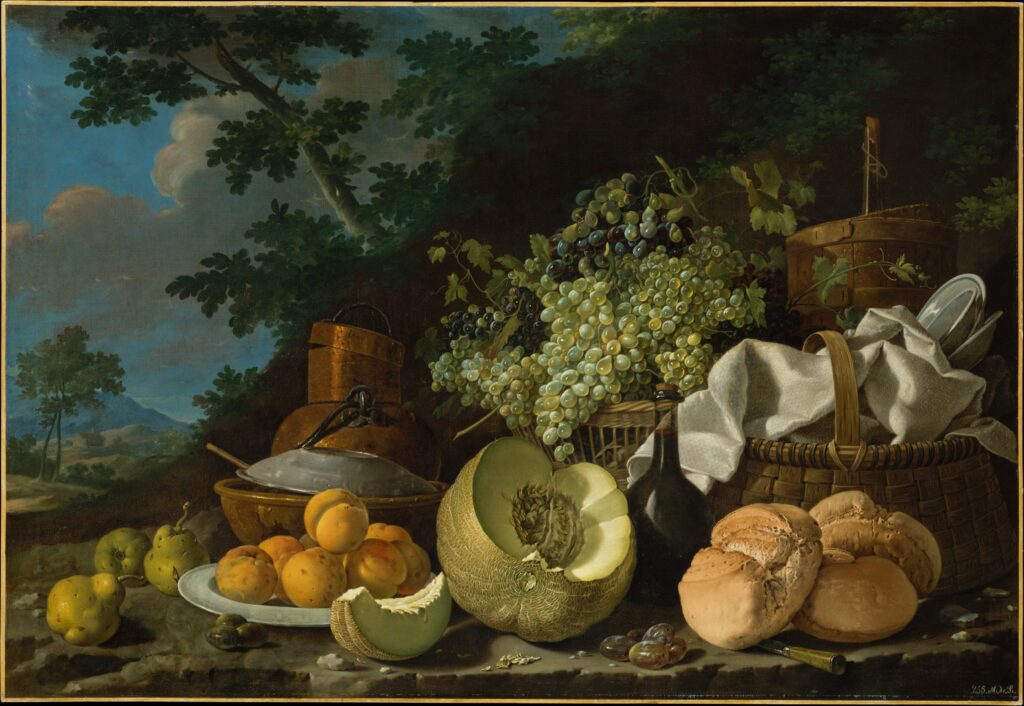
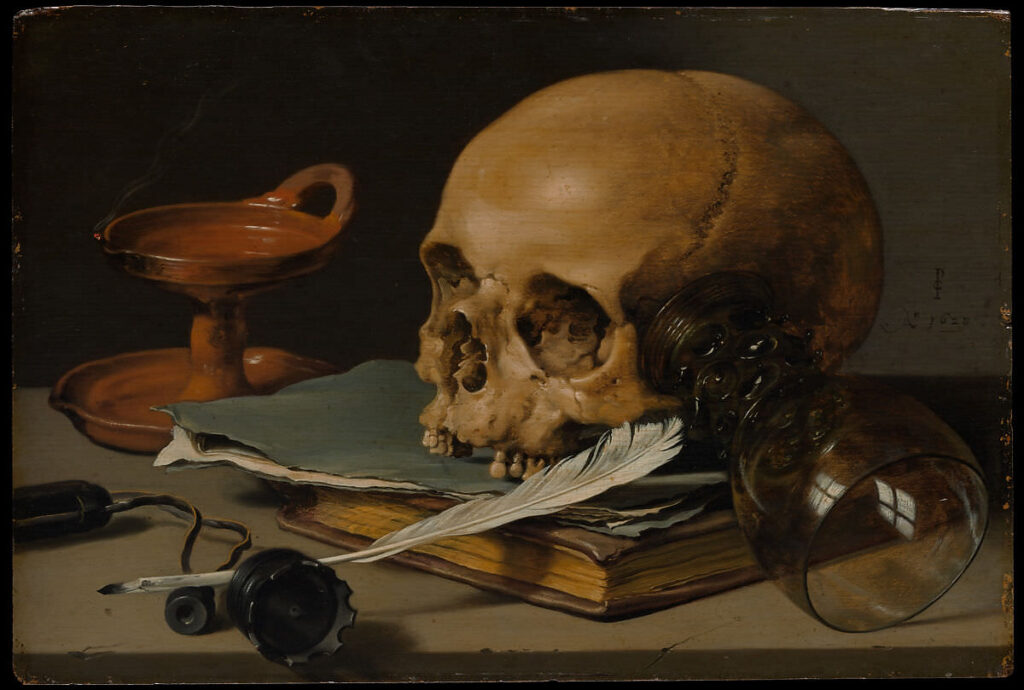
In Italy and Spain, artists used still life to create rich, detailed compositions that symbolized wealth, abundance, or deeper ideas. For example, a painting might include wilting flowers or half-eaten fruit to represent the passage of time and the fleeting nature of life. Still-life art wasn’t just about making objects look realistic—it was a way to tell a story using ordinary things.

Drawing Inspiration from the Classics

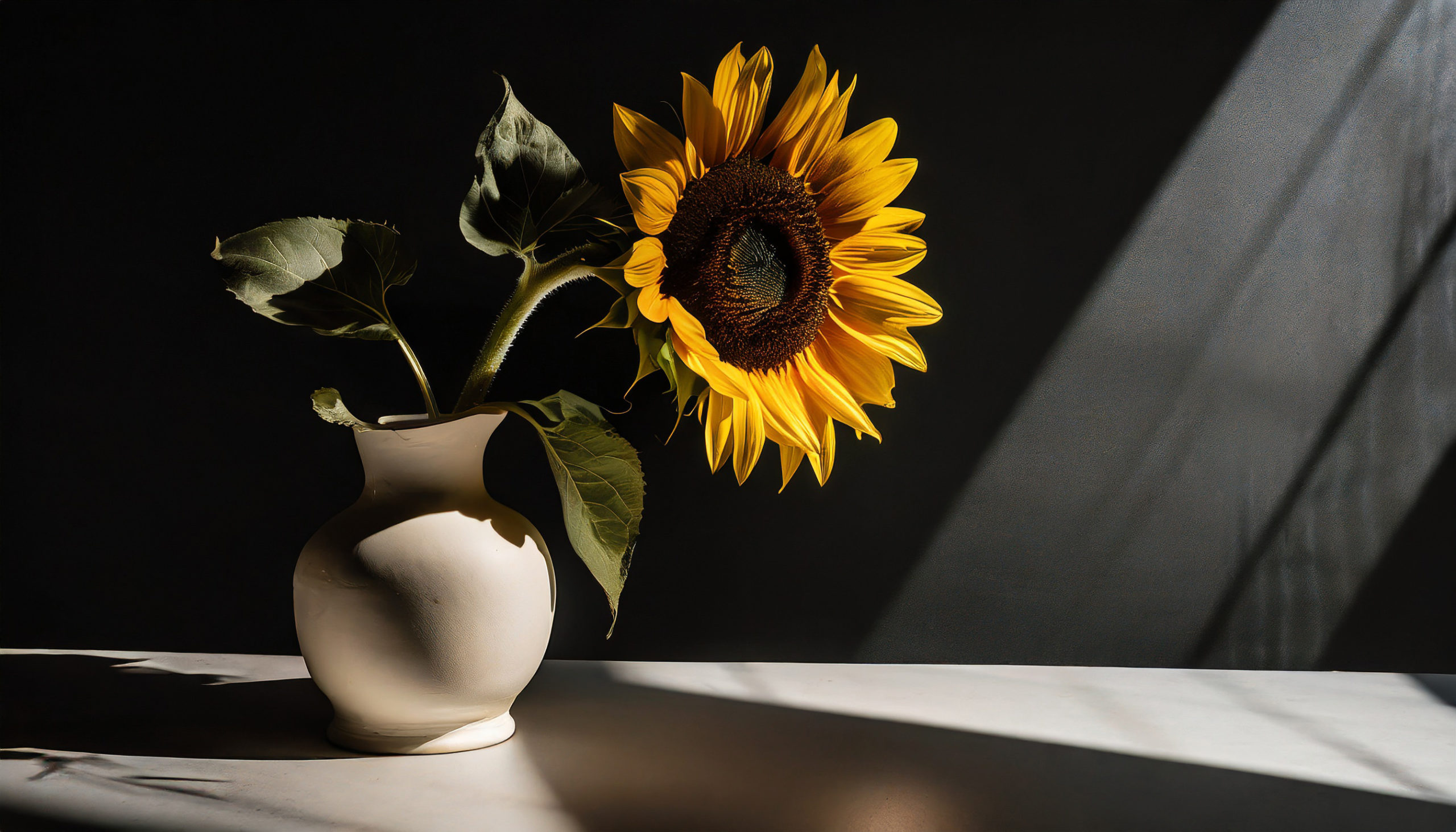
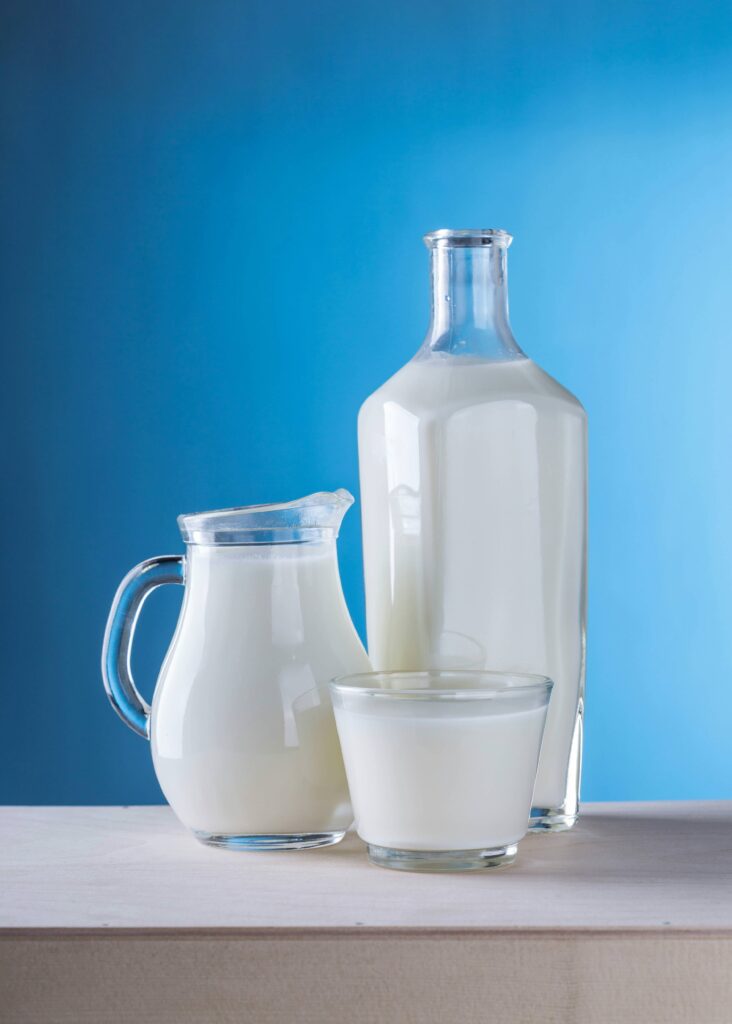
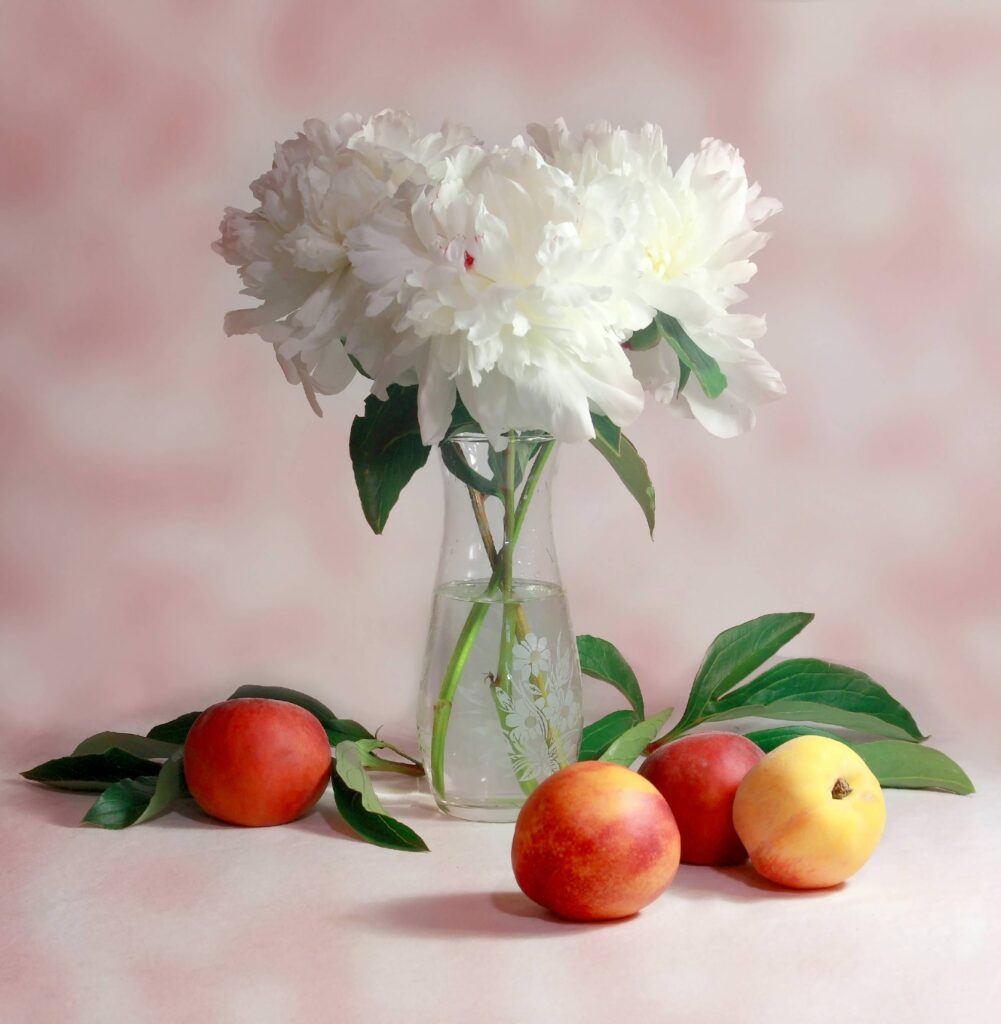
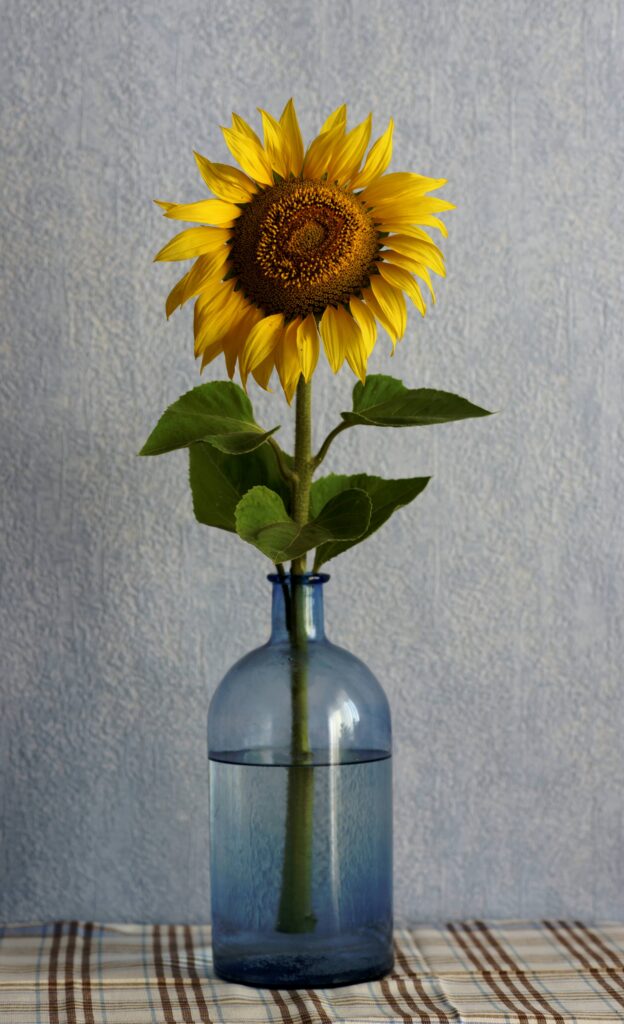
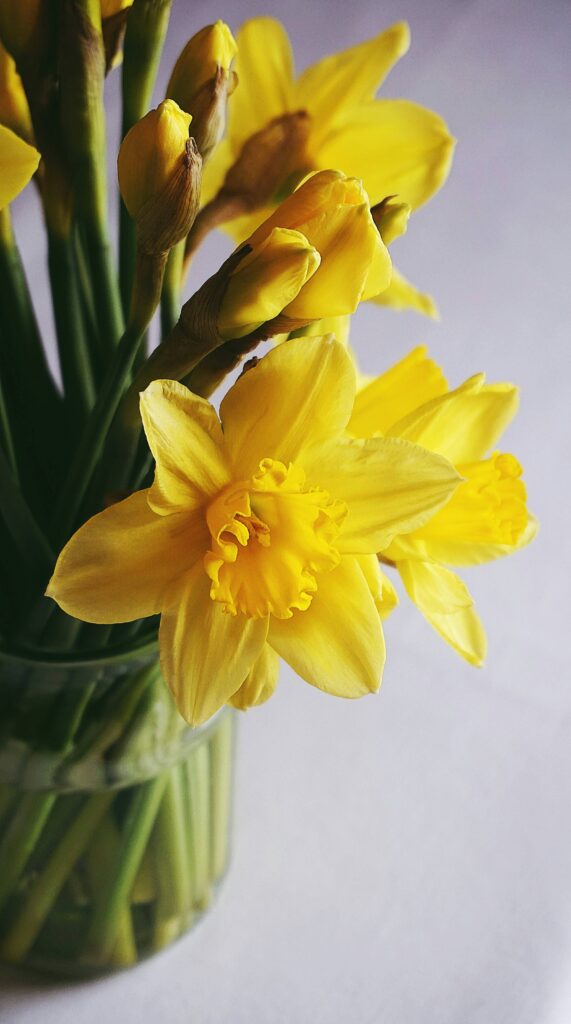
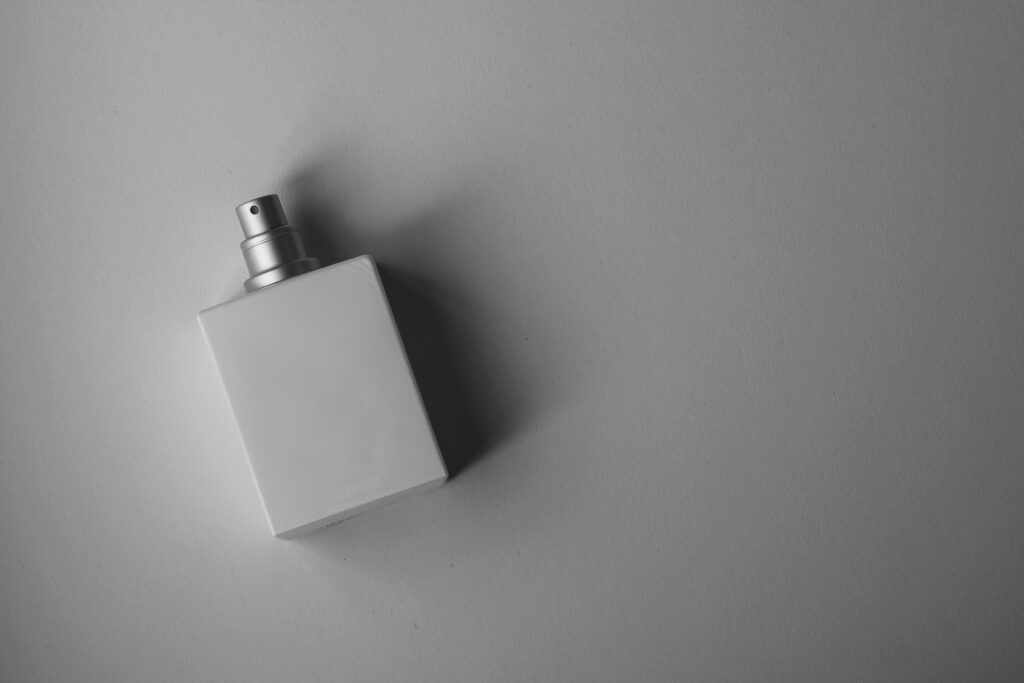
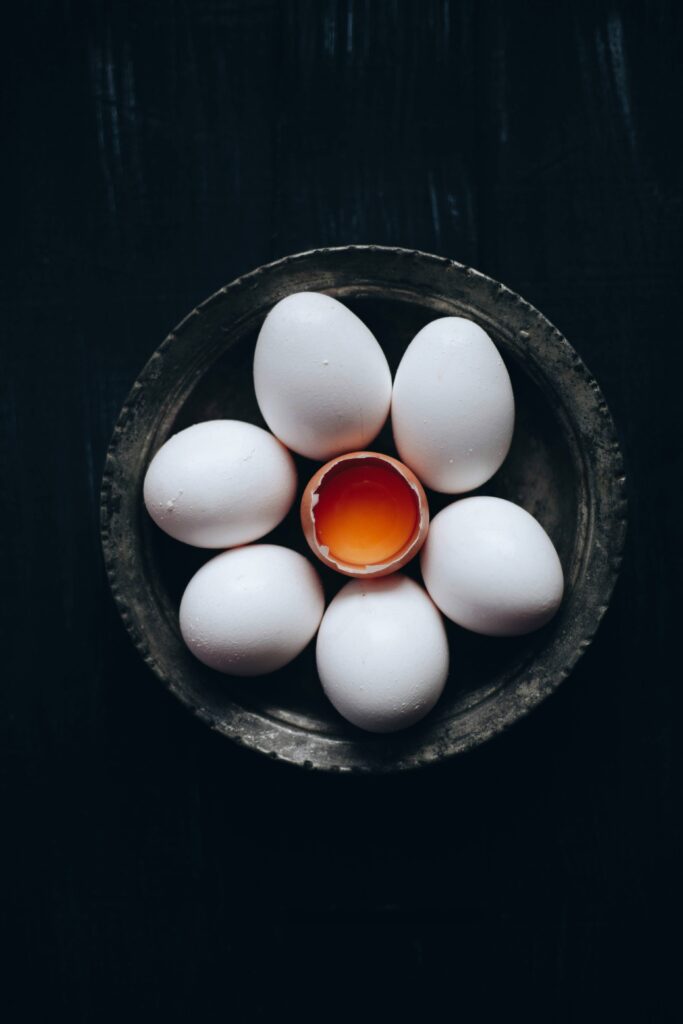
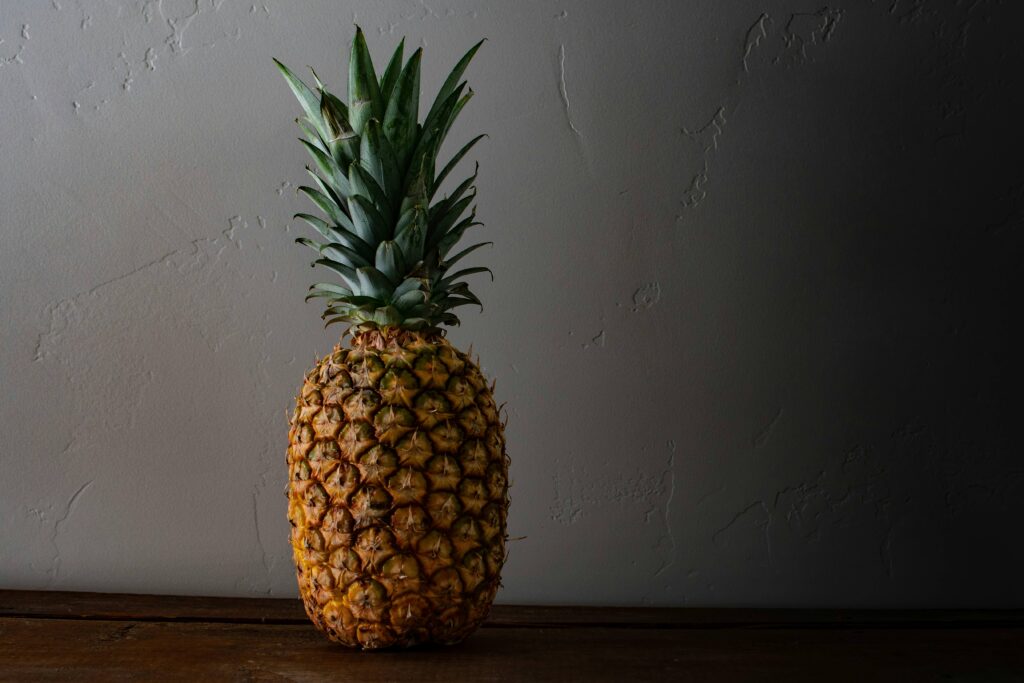
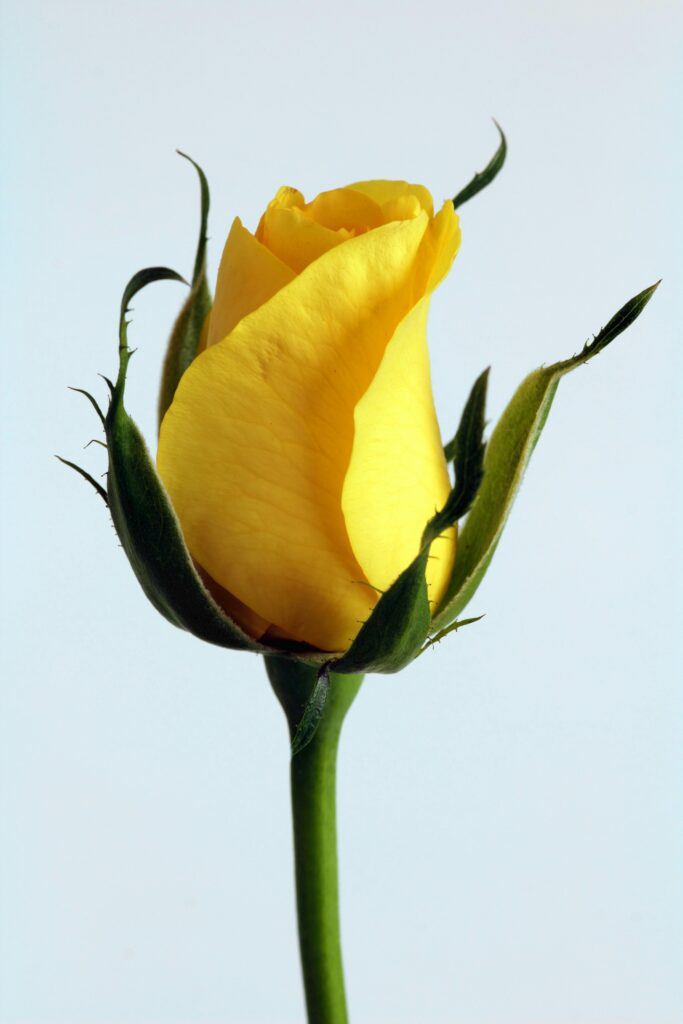
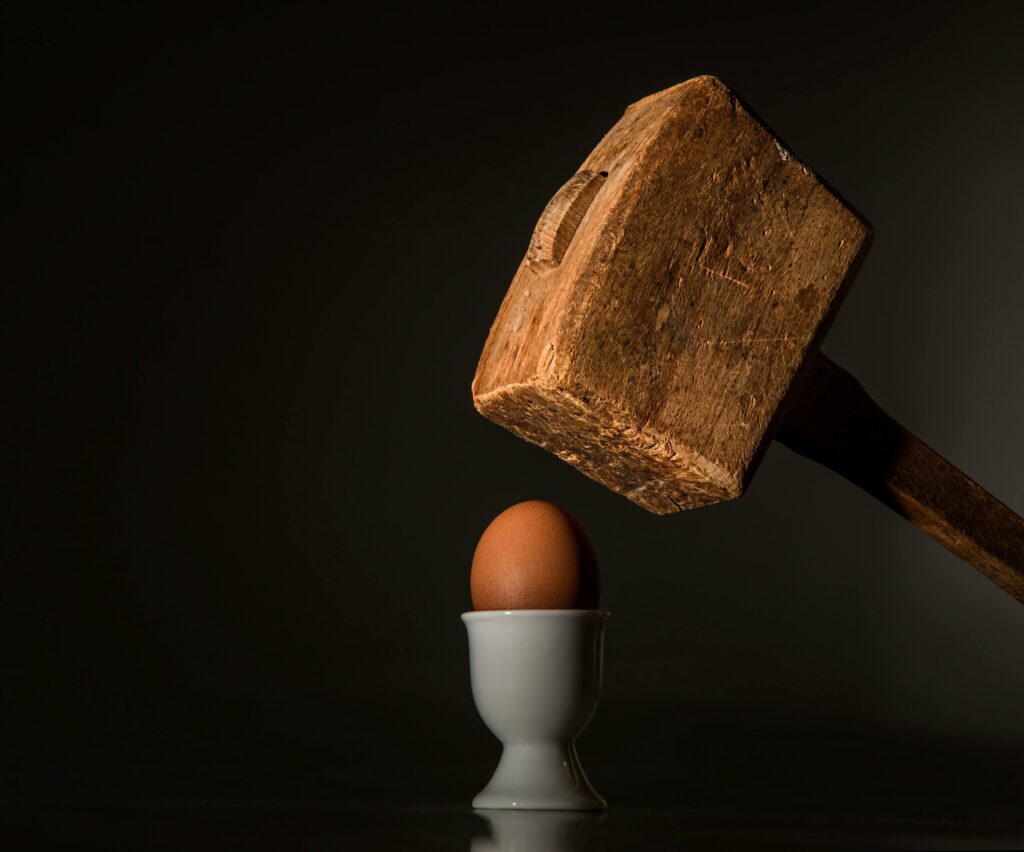
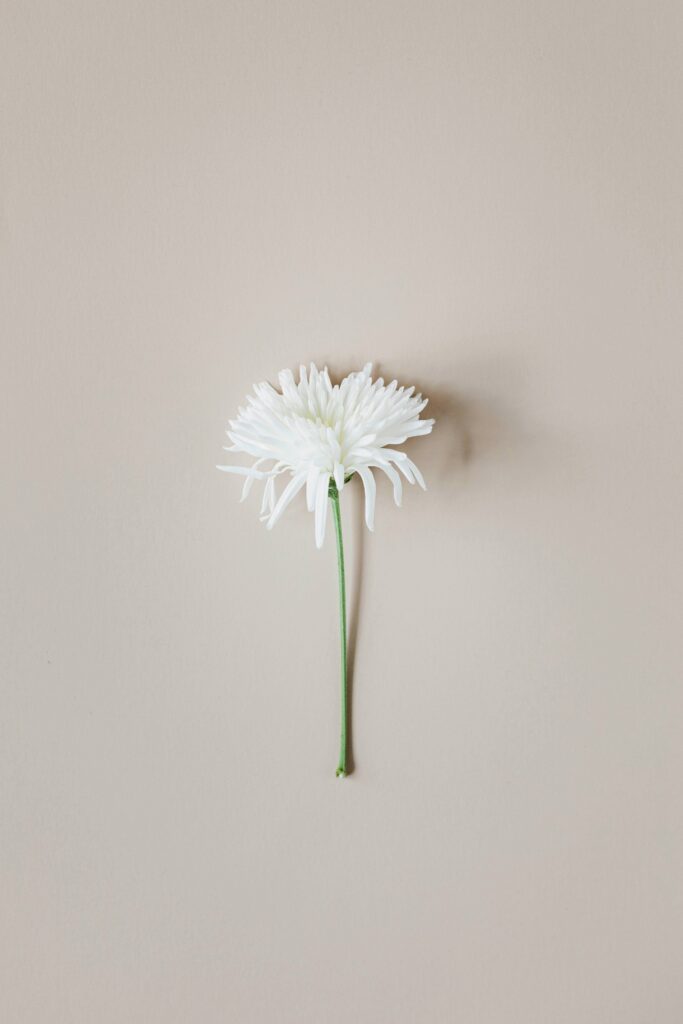
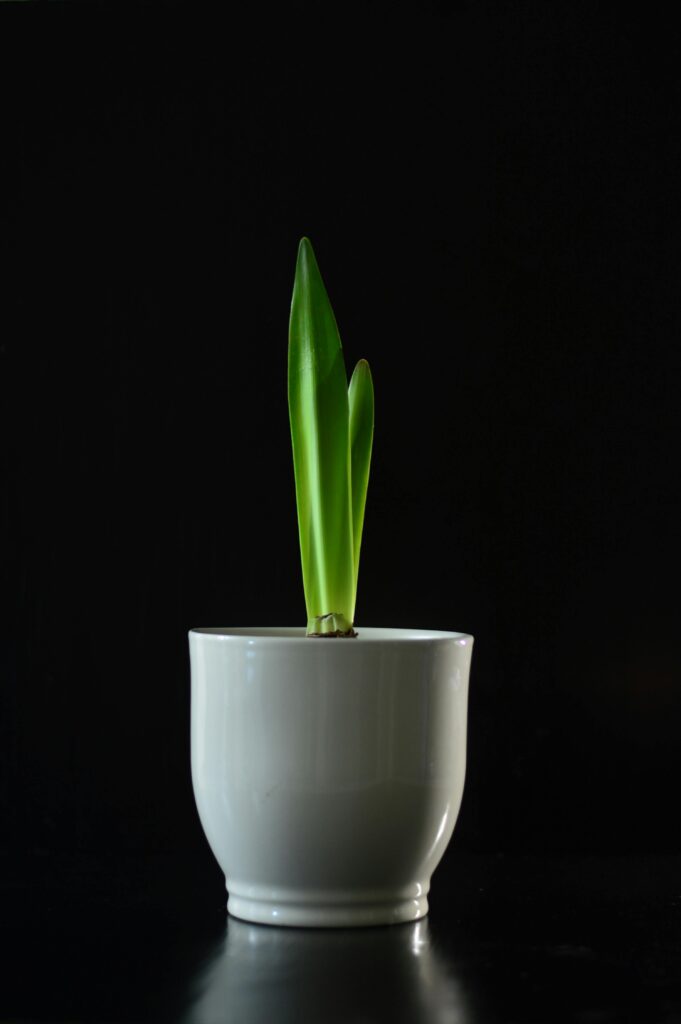
Look closely at classic still-life paintings. Notice how artists carefully arranged objects to create balance and guide your eye—that’s composition. They also used soft, directional light, usually from a window, and kept the background simple to avoid distractions. Now, check out these modern examples to see how contemporary photographers bring fresh ideas to these timeless techniques.

With the invention of photography in the 1800s, still life evolved into a powerful photographic genre. Photographers, like painters before them, learned to arrange objects thoughtfully and use lighting techniques to create visually striking images. Today, still-life photography is used in advertising, fine art, and even social media to showcase products, food, or creative compositions.


Photo of the Week: Still Life

For this week’s photo assignment, you will explore the art of still-life photography by arranging objects in a visually interesting way and using lighting to enhance your composition.

Create Your Own Still Life!
Use natural light from a window or doorway. Hang a plain cloth or find a blank wall for your background. Set up your scene near the light source rather than where it’s convenient. Take your time to arrange each object thoughtfully so that everything looks intentional. A tripod can help you fine-tune your composition and ensure your final image is polished and professional.

Skills You Will Develop

  • Composition – Arrange objects carefully to create balance and harmony within the frame. Think about placement, spacing, and how each element relates to the others.
  • Lighting – Use natural or artificial light to highlight textures, colors, and depth in your arrangement. Lighting can dramatically change the mood of a still-life photograph.
  • Focal Point – Choose a clear focal point to draw the viewer’s attention. This could be the most interesting object in your setup or the brightest or sharpest element.

Tips for Success

  • Choose a Theme: A theme can help give your photo meaning. Consider themes like “morning routine,” “fall harvest,” or “forgotten objects.”
  • Experiment with Angles: Don’t just shoot from eye level—try different perspectives to make your composition more dynamic.
  • Use a Simple Background: A cluttered background can be distracting. A plain or neutral background keeps the focus on your still life.
  • Pay Attention to Detail: The textures, shapes, and colors of objects make a big difference. Look closely at how they interact with the light.
  • Play with Depth of Field: Use aperture settings to blur the background or foreground, helping to highlight your main subject.
  • Thoughtful Editing: Enhance your image with post-processing tools, adjusting contrast, sharpness, and color to bring out the best in your composition without over-editing.

Still life is a great way to practice creative thinking, patience, and technical skills. Through this assignment, you’ll transform everyday objects into a compelling visual story. Enjoy the process and let your creativity shine!