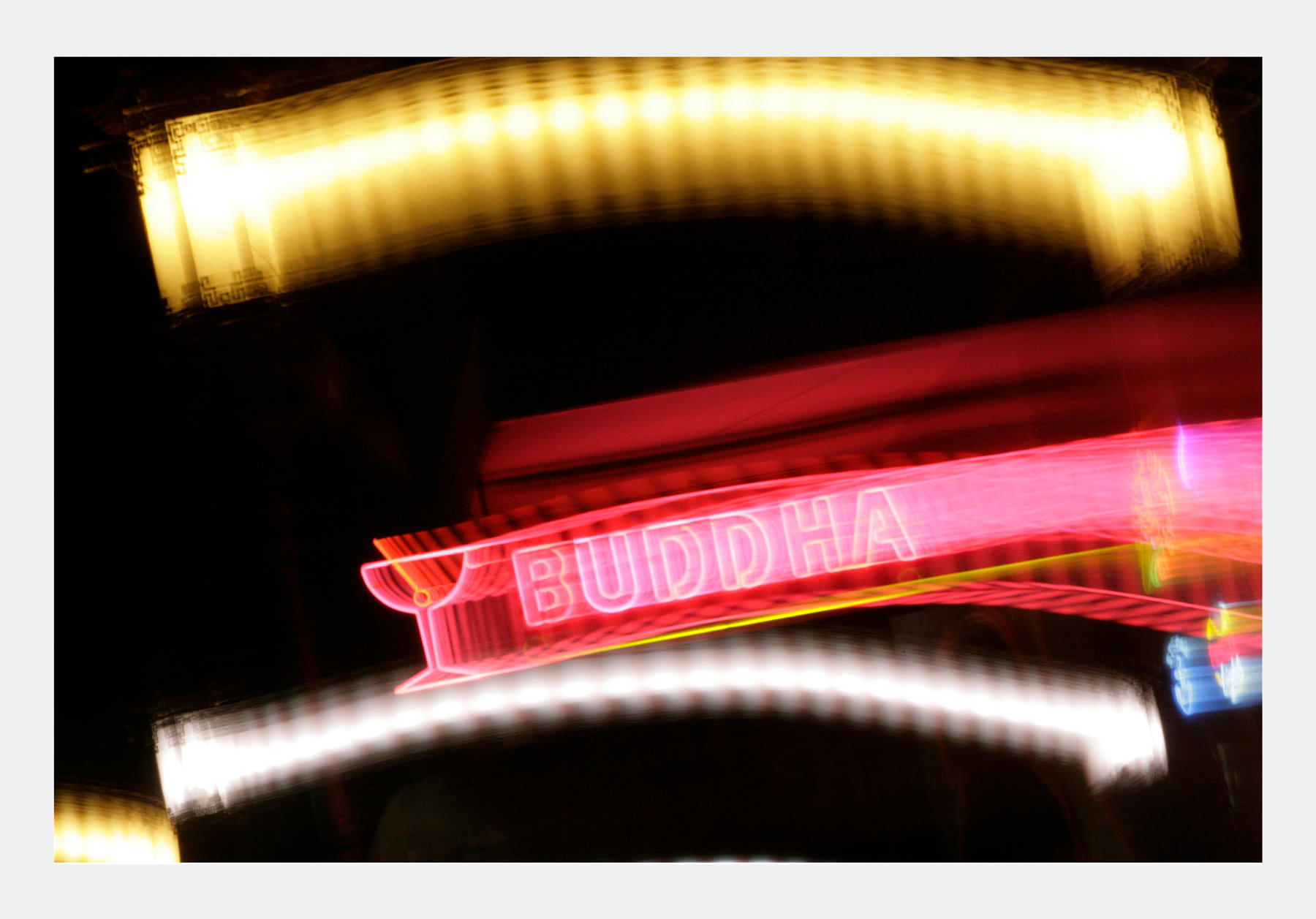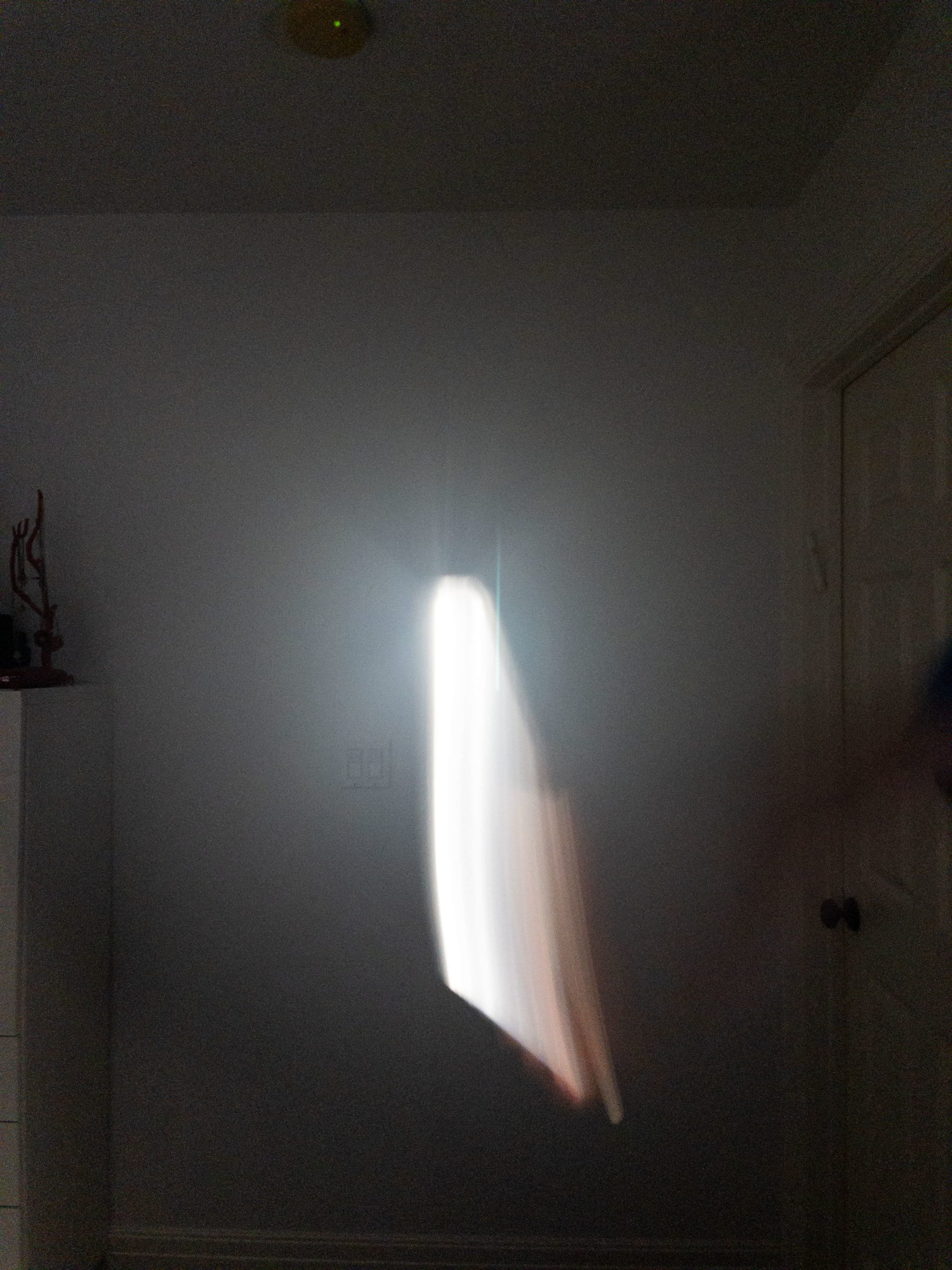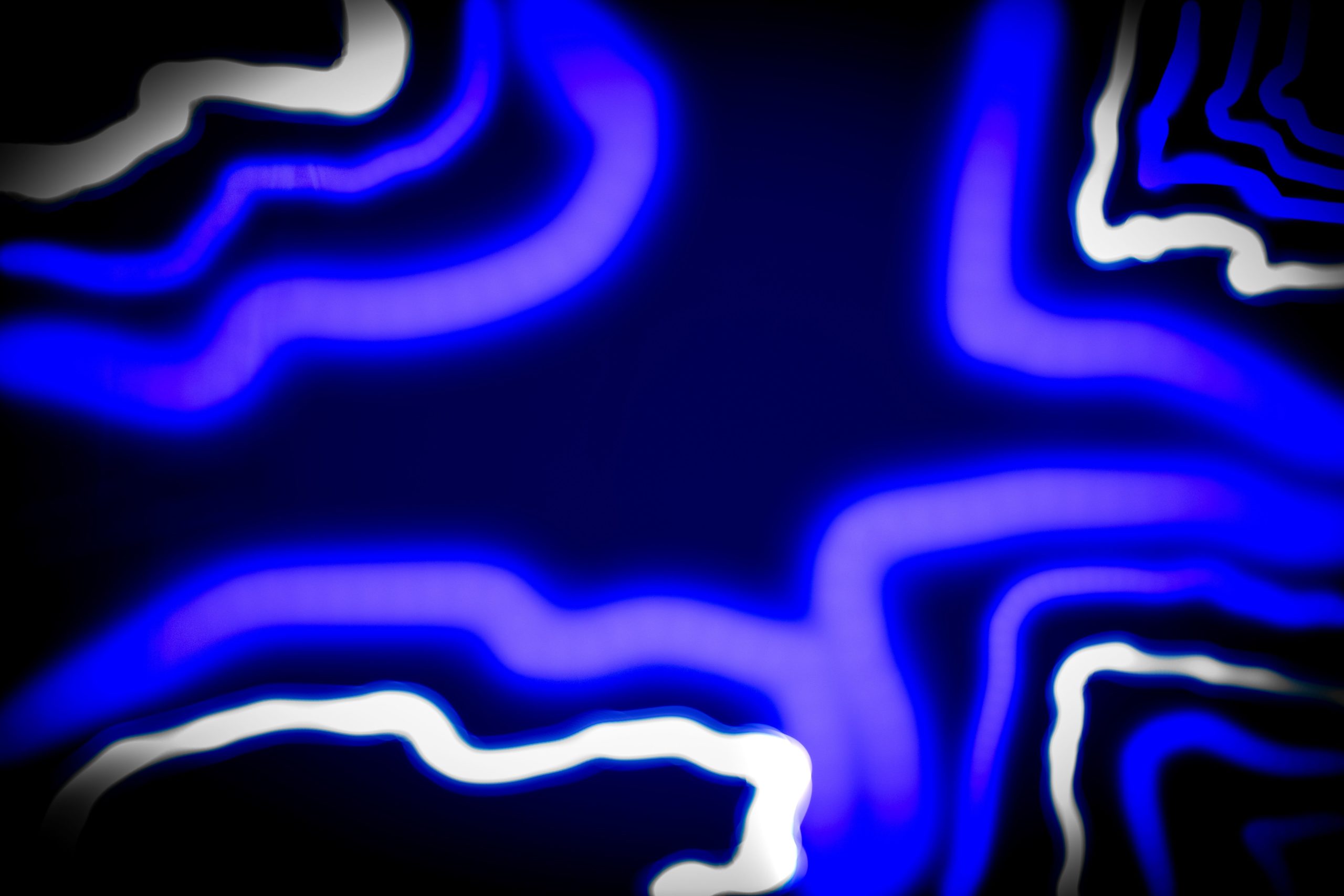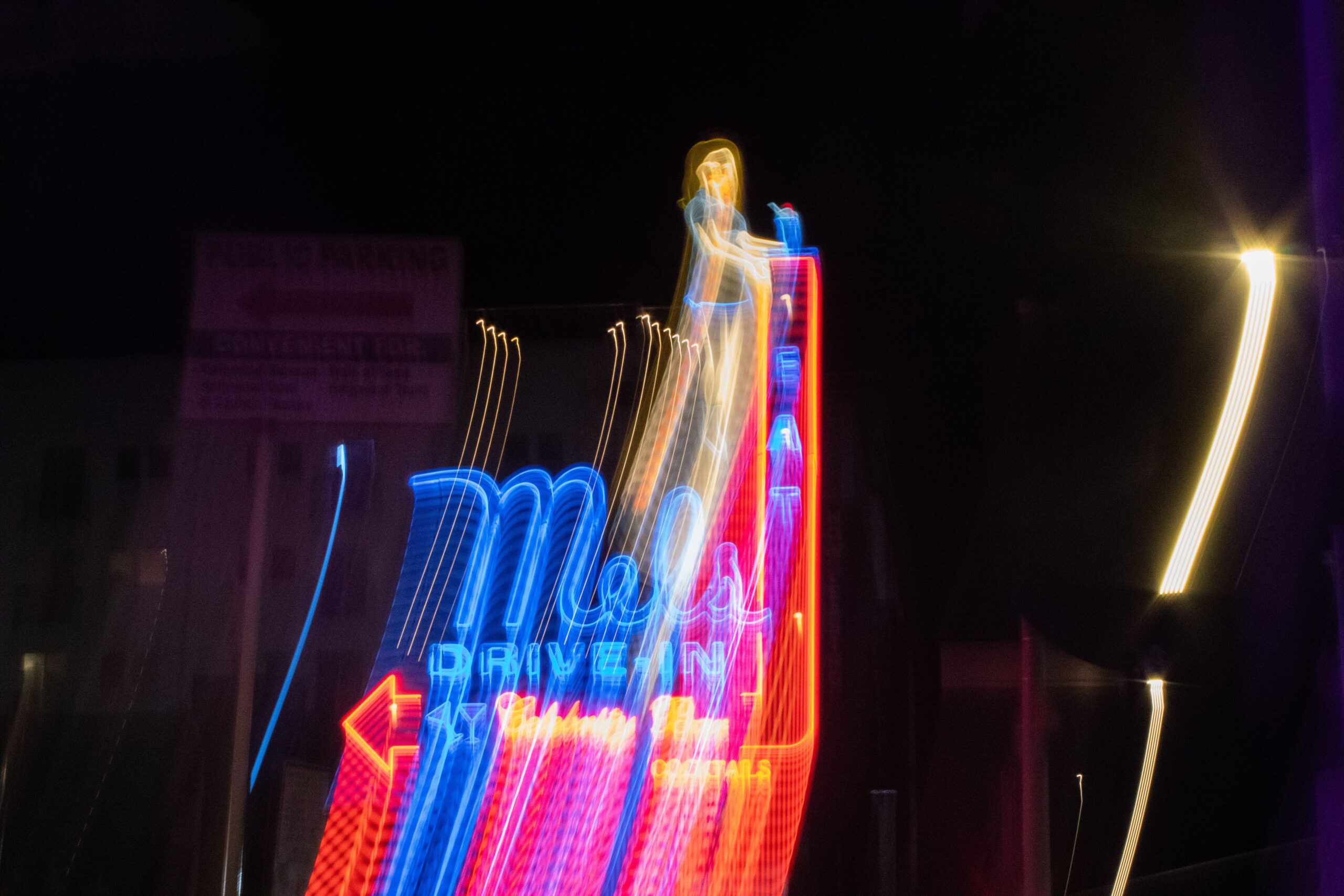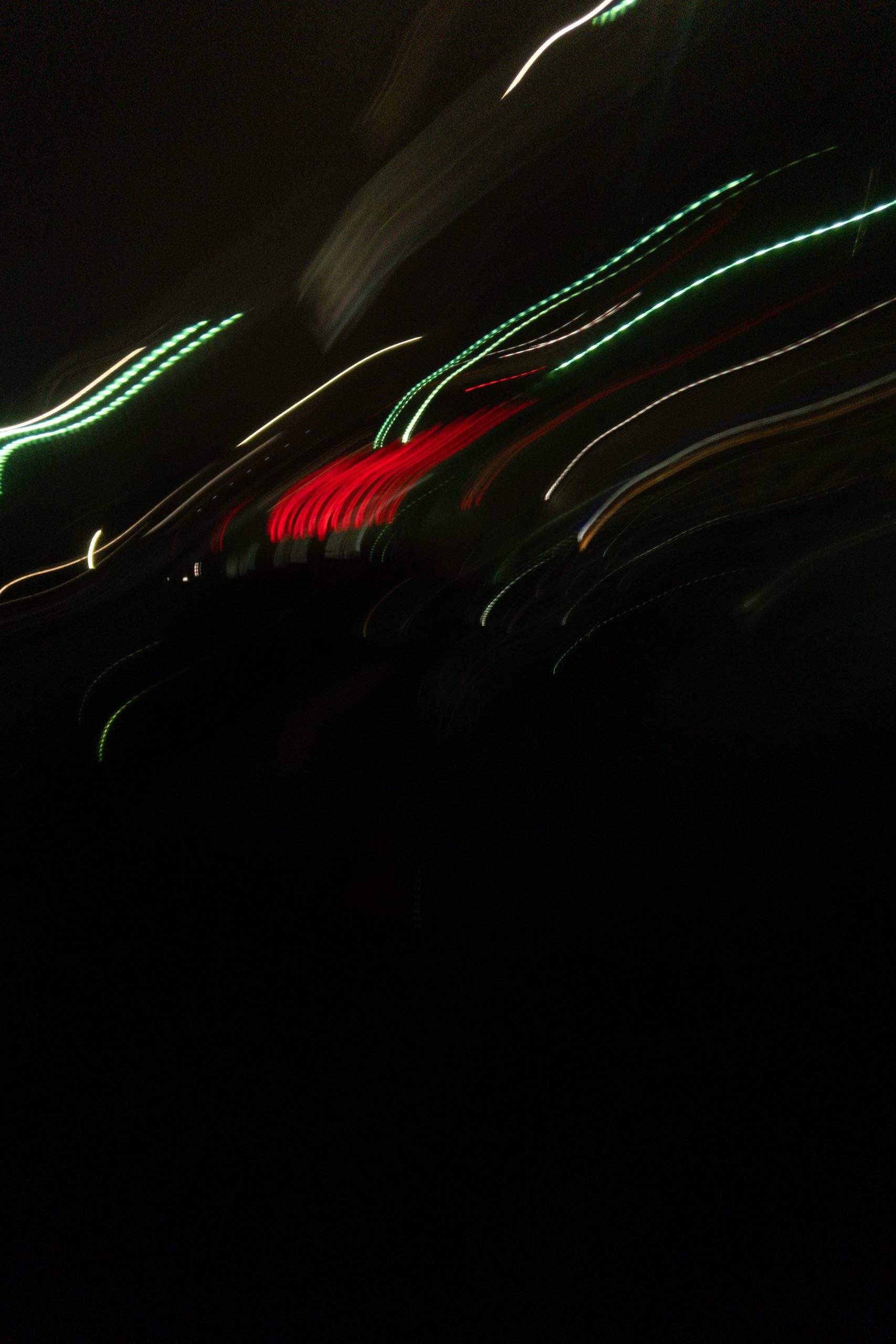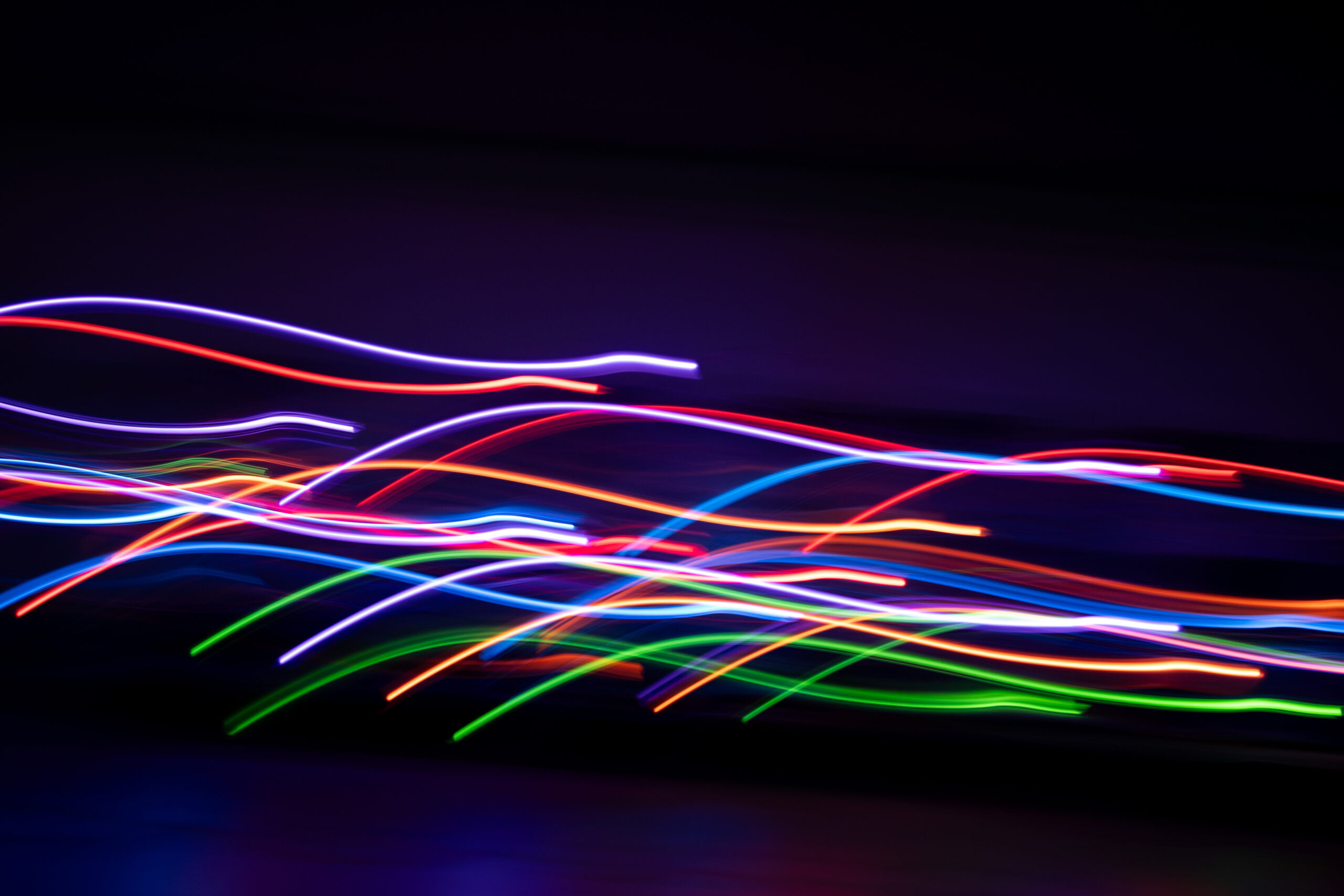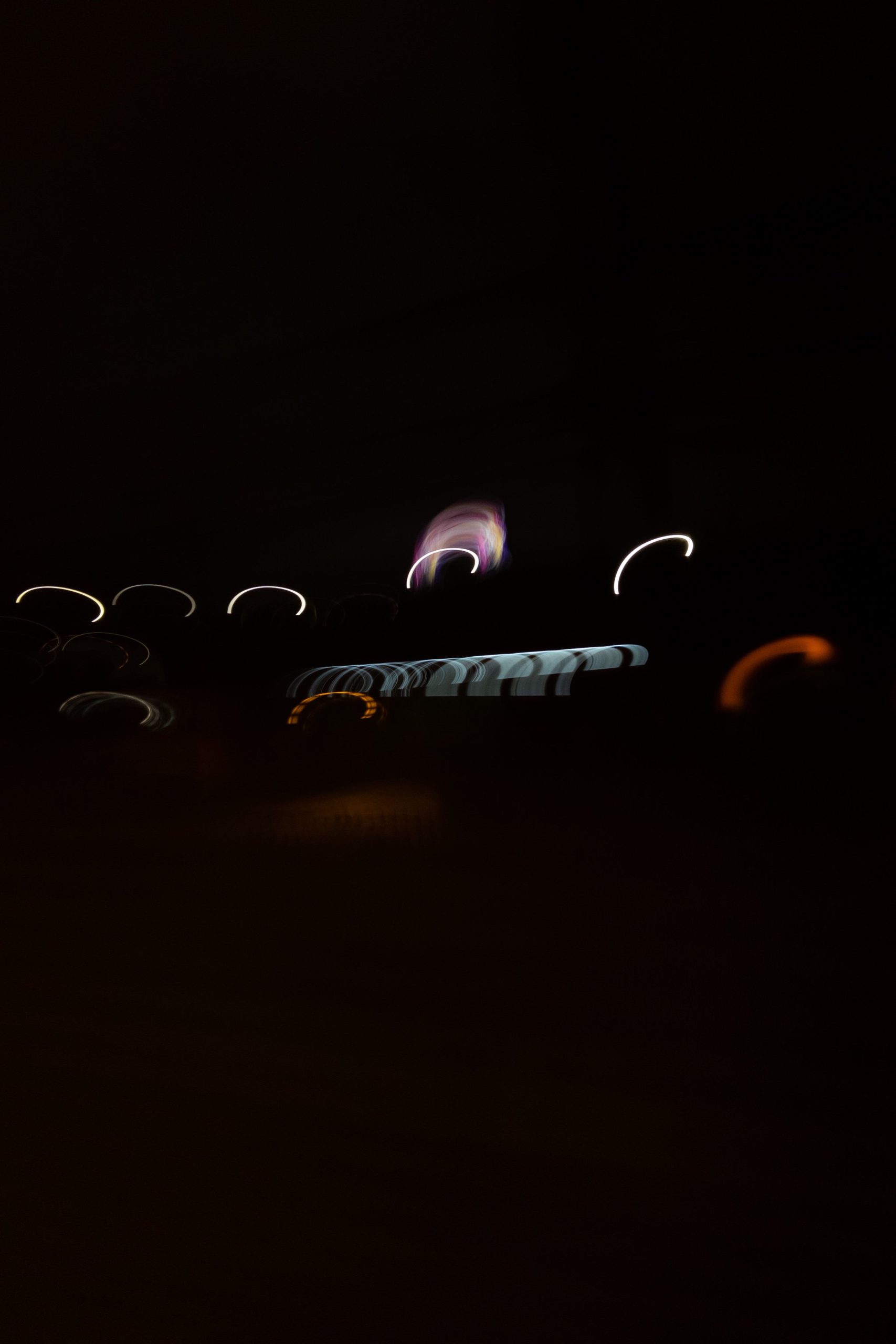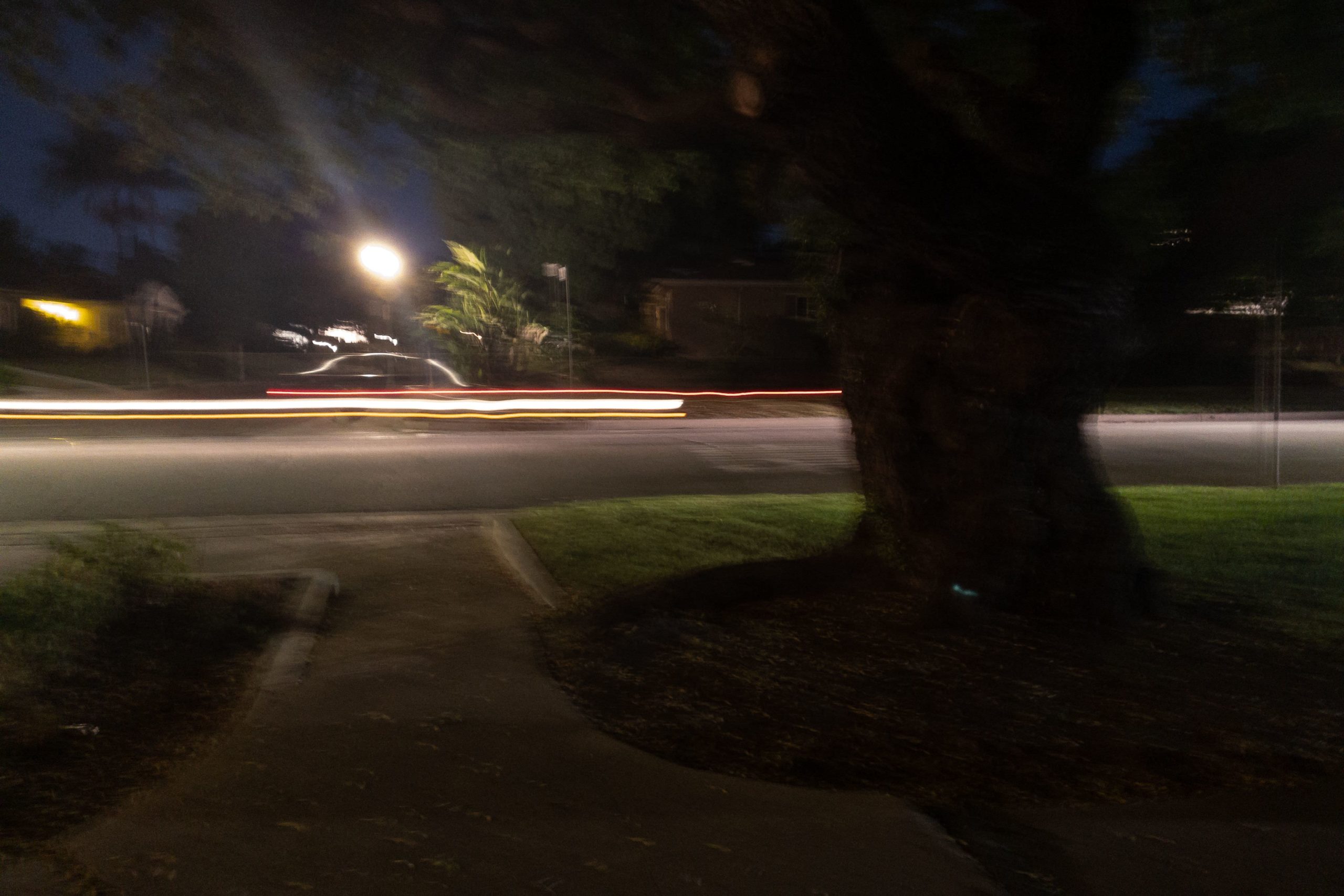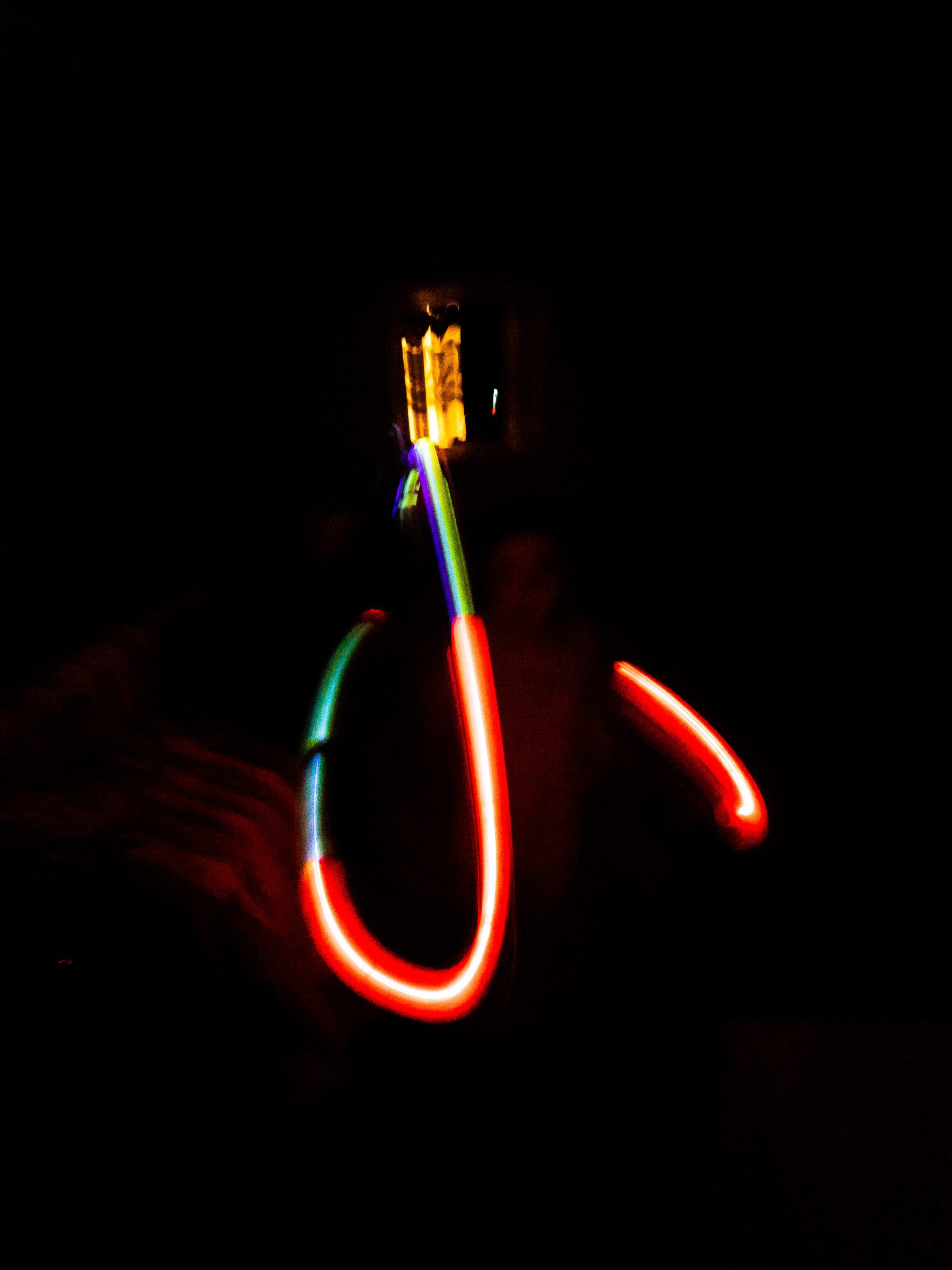
Capture a long exposure photograph that showcases the transformation of motion or time in a visually compelling and unique way. Experiment with subjects such as flowing water, city lights, star trails, or any moving element that inspires your creativity.

Description: Long exposure photography involves using extended shutter speeds to allow light to enter the camera for an extended duration. This technique excels at capturing the graceful movement of subjects like car trails in the city, star trails in the night sky, or even the gentle flow of a waterfall, resulting in images that convey a dreamy and enchanting quality.

Objective: By mastering long exposure techniques, photographers aim to harness the flow of time in their images. The primary objective is to create visual masterpieces that exude a sense of tranquility, wonder, and a touch of the surreal. Through long exposure, photographers can transport viewers to a place where ordinary scenes transcend into extraordinary, almost otherworldly, visual narratives.

Skills: To excel in long exposure photography, photographers need to acquire a specific set of skills to manipulate time within a single frame. Here are the fundamental skills every long exposure photographer should cultivate:

1. Patience: Long exposure shots require a healthy dose of patience as they often take several seconds or even minutes to capture. Waiting for the perfect moment to press the shutter is an essential part of the process.

2. Tripod Mastery: Stability is critical to prevent camera shake during long exposures. A sturdy tripod is indispensable to ensure that your images remain sharp and devoid of blur.

3. ND Filters: Neutral density (ND) filters are vital for controlling the amount of light that enters the camera. They enable extended exposure times, even in bright lighting conditions, allowing you to achieve that sought-after dreamy effect.

4. Remote Shutter Release: To minimize vibrations caused by manually pressing the camera’s shutter button, a remote shutter release or timer is invaluable. It guarantees the camera remains steady during the exposure.

5. Composition: Composing a long exposure shot necessitates a deep understanding of how moving elements within the frame will appear over time. The ability to frame your subject and choose the ideal settings to create a visually pleasing image is a skill that must be honed.

Long exposure photography unveils the enigmatic beauty of our world, where time becomes art and motion turns magical. With mastery in long exposure techniques, photographers create awe-inspiring images, whether capturing serene waterfalls or vibrant cityscapes. Take your camera, slow your shutter speed, and embark on a journey through time. Become the maestro of long exposure photography.


P&V Students’ Work