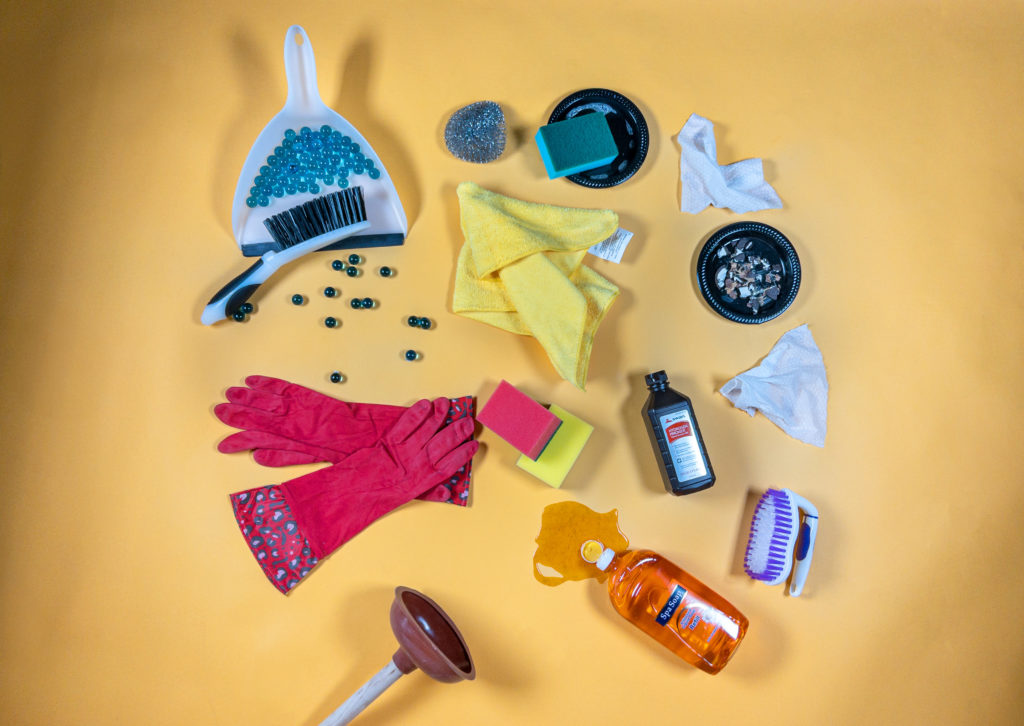
In our flat lay photography assignment, students are mastering composition with thematic arrangements. From vibrant paper to thoughtful object placement, this exercise sharpens critical thinking. Each refined composition is a testament to their evolving storytelling skills—one visual narrative at a time.

Objective

The primary aim of the assignment is to explore and apply principles of design, composition, lighting, and exposure in the context of flat lay photography. This endeavor not only sharpens technical skills but also cultivates a profound understanding of how composition shapes storytelling.

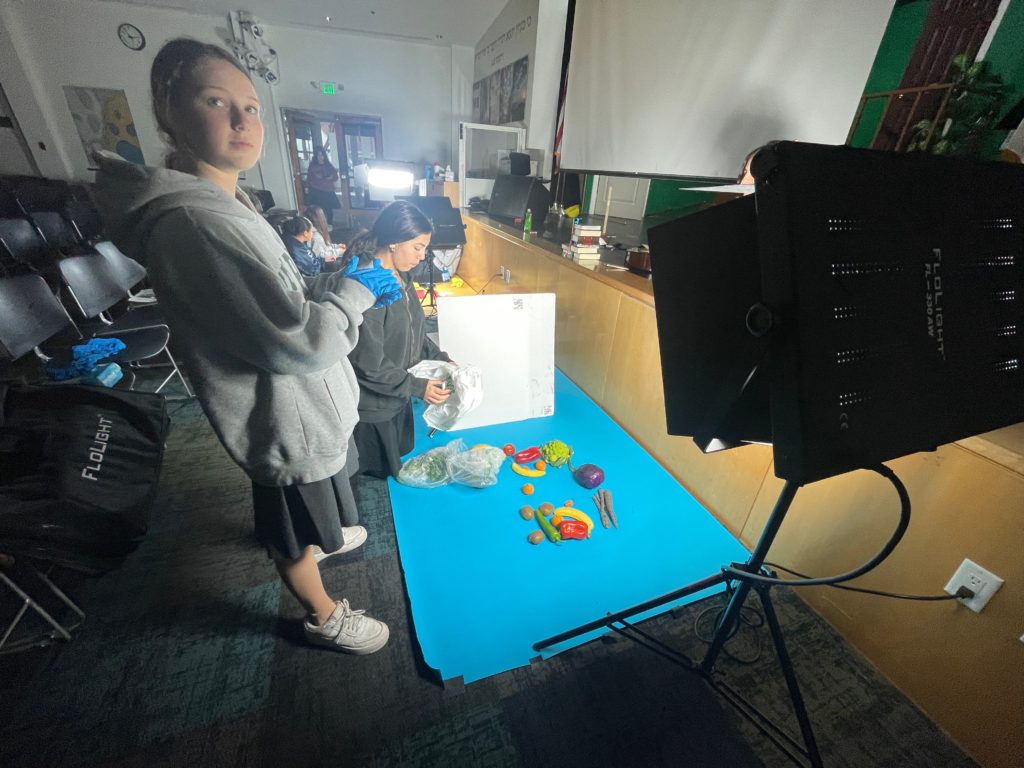
10th-grade teamwork in full swing as students craft their Fresh Produce composition behind the scenes. Communication and collaboration elevate the creative process!

Materials

  • 1 piece of colorful construction paper per group.
  • Objects related to a specific theme (e.g., fruit & veggies, diaper bag items, photographer’s kit).
  • Light source for each group.
  • Reflector for fill light.

Crafting Composition: Step-by-Step

Step 1: Theme Assignment

Each group commences their creative venture armed with a kit containing a vibrant piece of construction paper and a carefully curated collection of related objects. The initial step involves discussing and understanding the assigned theme, prompting students to consider how these objects can weave a visual narrative.

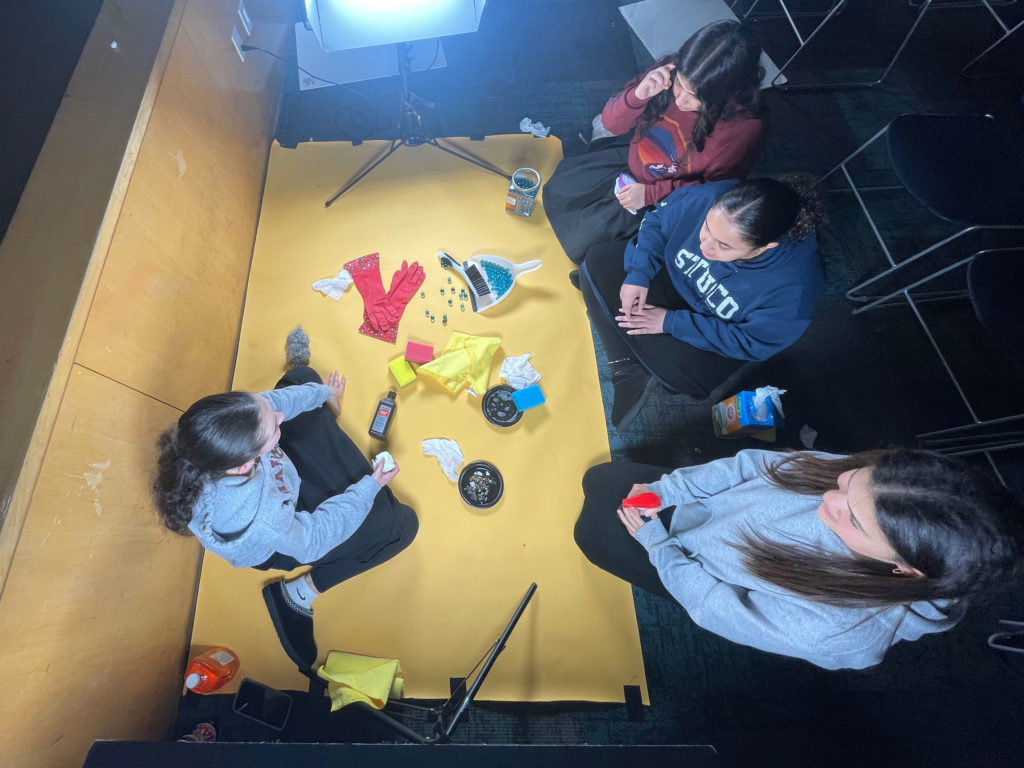
Behind the scenes of 10th-grade students meticulously arranging cleaning supplies for their composition. Teamwork and coordination shine as they transform everyday items into visual stories.

Step 2: Crafted Composition

  • Meticulously arrange objects on the construction paper to weave a visual story.
  • Apply the principles of design, emphasizing color, balance, and movement.
  • Illuminate the setup using the provided light source and utilize the reflector for fill light.
  • Capture the image with the camera pointing straight down.
  • Transfer the image to Lightroom/Photoshop for additional refinement.
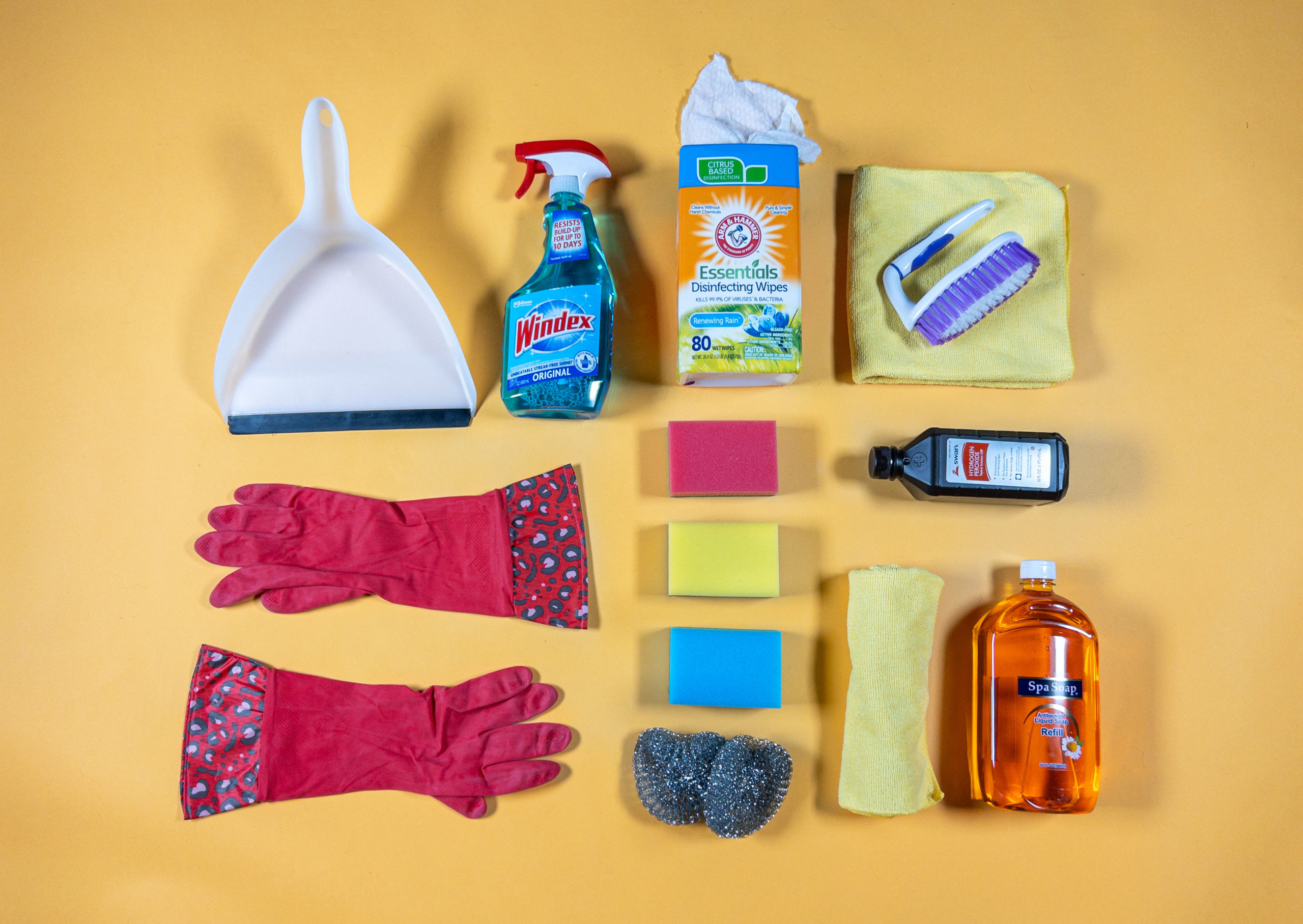
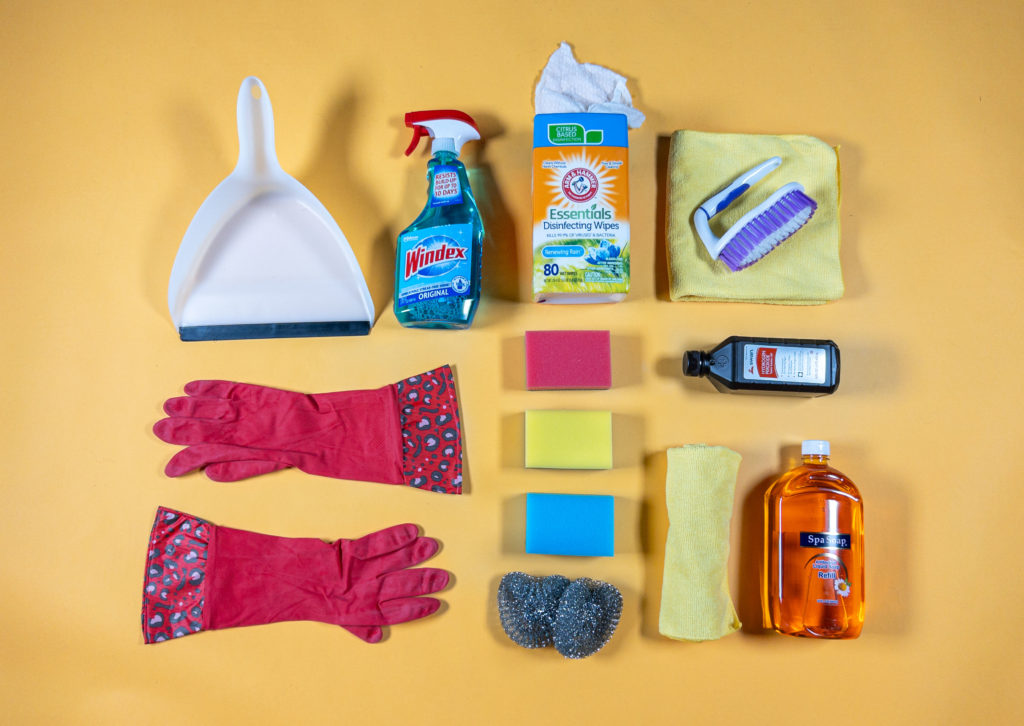
Setting the stage: The initial composition unfolds with a symmetrical and orderly touch.

Step 3: Group Critique

  • Assemble as a group to collectively critique the captured image.
  • Engage in discussions about elements contributing to visual impact.
  • Identify areas for improvement, fostering a collaborative spirit.

Step 4: Composition Refinement

  • Modify and refine the composition based on group feedback.
  • Pay attention to distracting elements, nuanced lighting, and overall visual impact.
  • Experiment with lighting to enhance mood and eliminate distractions.
Evolution in action: In the second set, students reassess their compositions, breaking free from symmetry. The result? Drastically different, freeform layouts that reflect experimentation and creative freedom.

Closing Thoughts

As students progress through these iterative steps, they come to appreciate that each refinement contributes to the development of a stronger composition. This assignment is not merely about capturing images; it’s about mastering the art of composition—a journey of storytelling through visually striking arrangements.

So, as the students prepare their side-by-side comparisons for the next class, they are not just showcasing pictures; they are presenting a visual evolution of their storytelling prowess—one composed arrangement at a time.